Why Post-Season Is the Best Time to Find Deer Sign (and Punch Your Tag Next Fall)
Most hunters treat the post-season like the final chapter of the year. Tags are filled or expired, temps are brutal, and the woods feel quiet. But if you’re serious about increasing your odds next fall, this might be the most important window of the entire year.
It’s about scouting smarter, finding high-value sign, and setting yourself up for success months before opening day.
Here’s why.
1. The Woods Tell the Truth This Time of Year
By the end of season, the fluff is gone.
-
Crops are harvested
-
Leaves are down
-
Hunting pressure has exposed weak spots
-
Deer patterns have tightened around survival
What you’re seeing now is real-world, post-pressure movement. Bucks have been pushed, pressured, and patterned. The sign they’re leaving in December and January isn’t random — it’s tied directly to food, cover, and security.
Trails that are still pounded down this time of year?
That’s survival movement.
Heavy tracks around a thermal bedding area?
That’s where mature deer are riding out cold fronts.
You’re getting a clear look at the spots that truly matter.
2. Bedding Areas Are Easier to Identify
With foliage down, late season is prime time to locate:
-
South-facing slopes
-
Thick CRP or native grass pockets
-
Leeward ridges
-
Edge-of-cover staging areas
You can physically see how deer are using terrain and wind to their advantage.
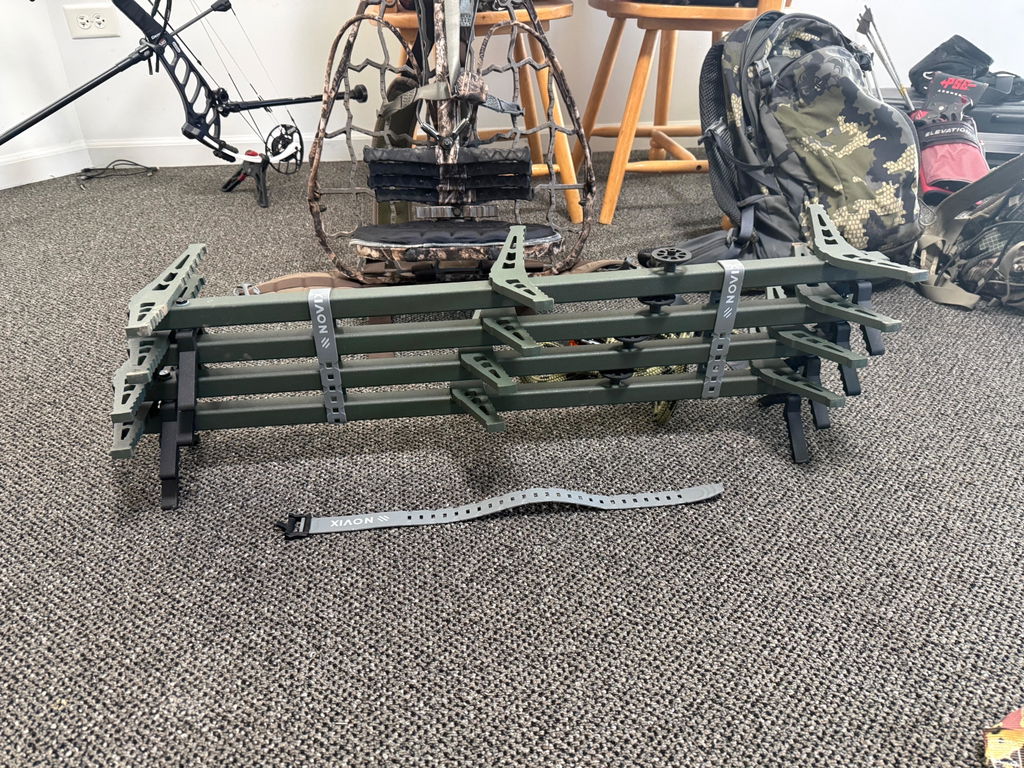
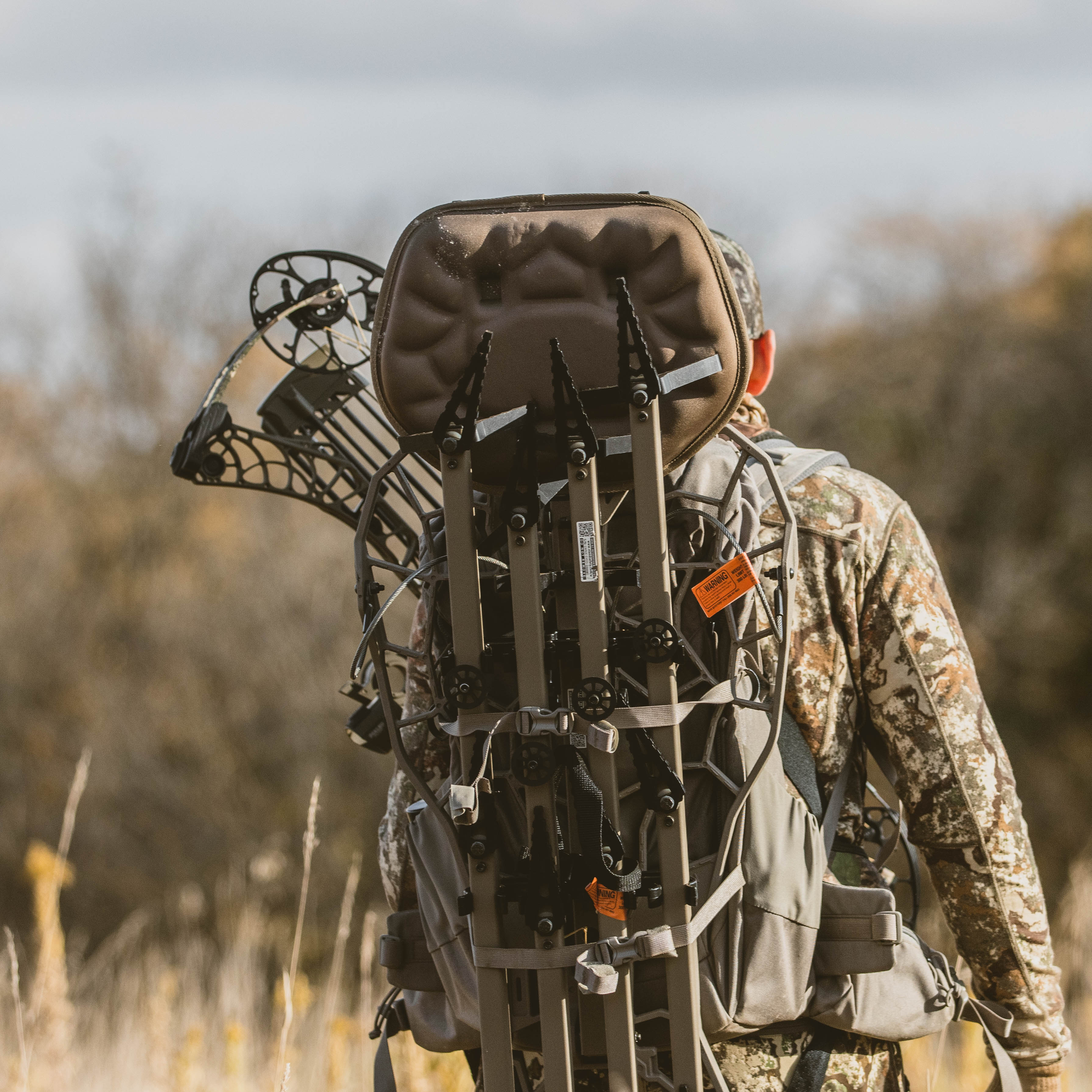
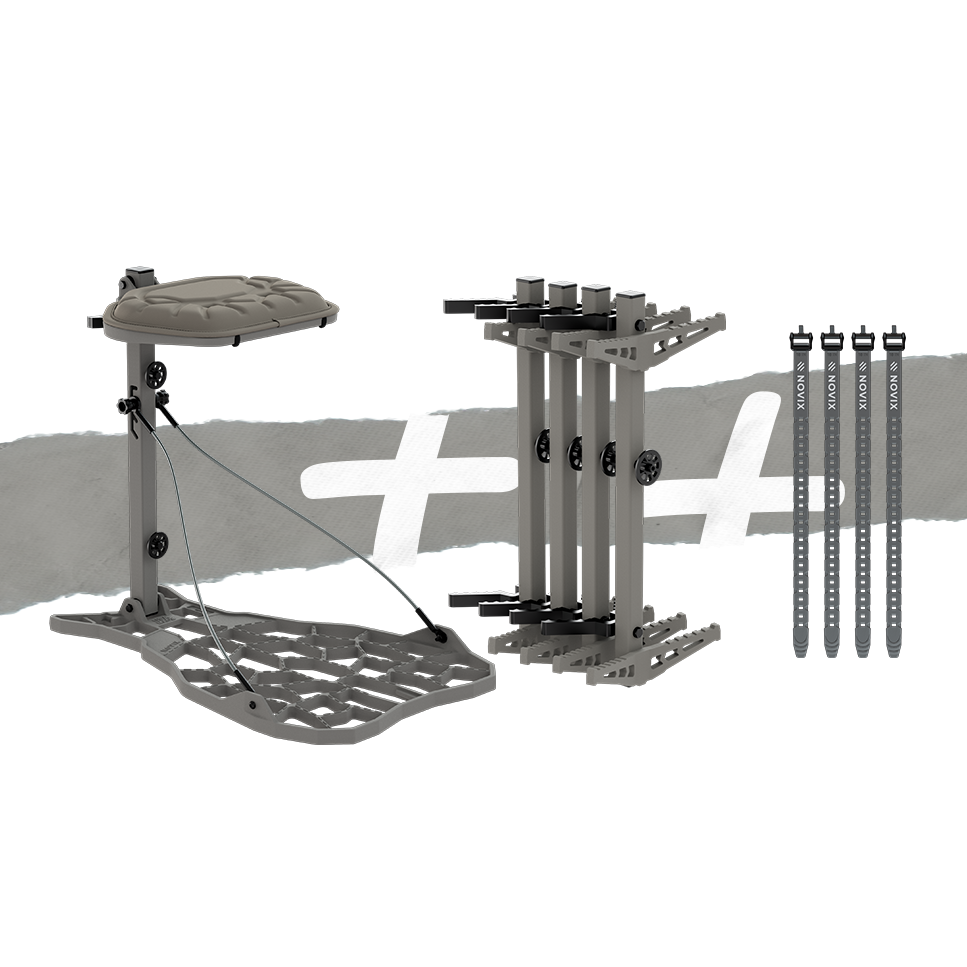
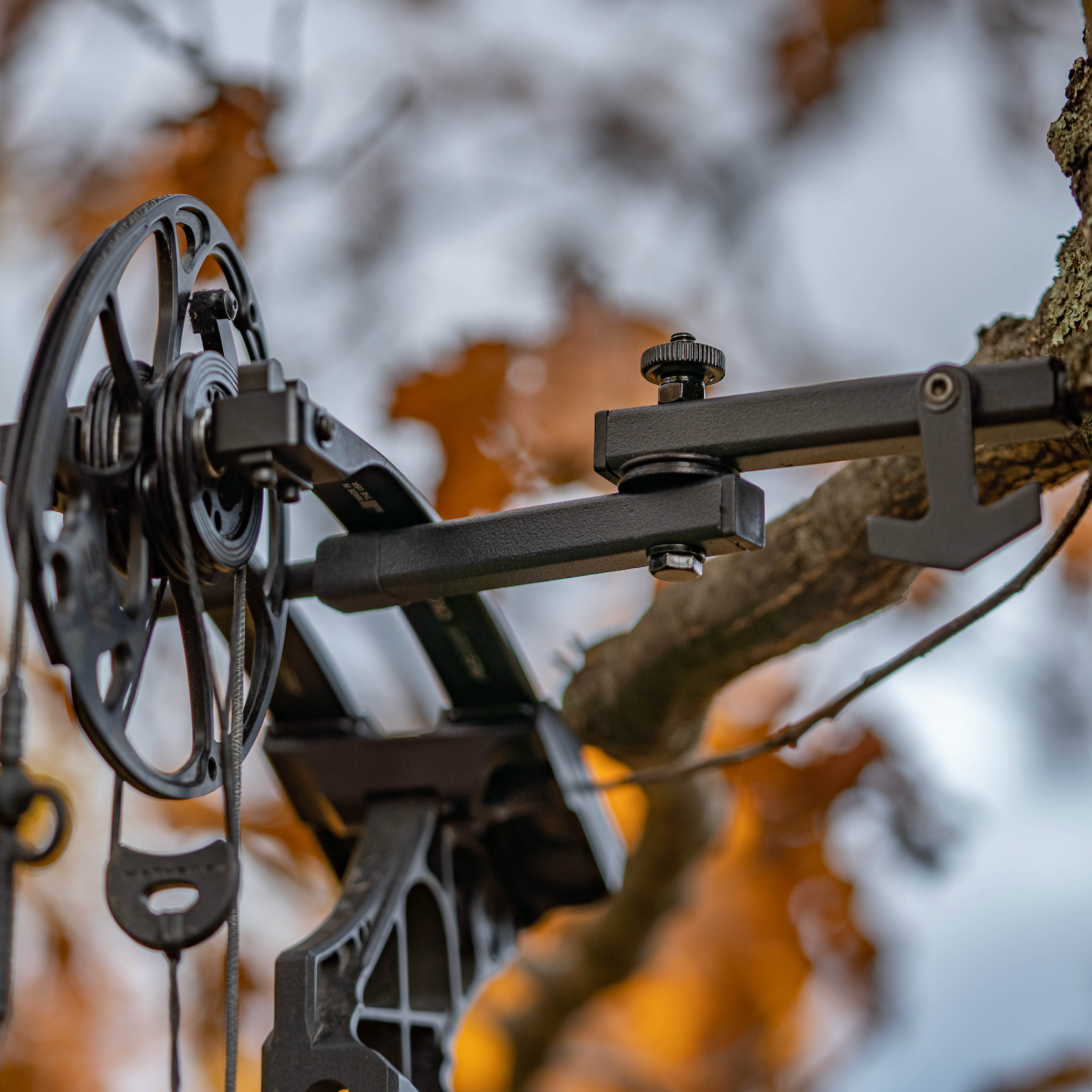
When you’re running a mobile system like a Novix setup, being able to pinpoint these micro-locations now allows you to:
-
Hang early next fall with confidence
-
Avoid over-scouting during the season
-
Slip in surgically when conditions are right
Scouting now means less guessing later.
3. Rub Lines & Scrapes Reveal the Blueprint
Even though the rut is over, last fall’s sign is still there.
You’ll find:
-
Primary scrape areas
-
Historical rub lines
-
Travel corridors between bedding and food
-
Funnels that were heavily used
Now you can study them without blowing deer out.
Ask yourself:
-
Where did this buck stage before dark?
-
What wind would allow him to feel safe?
-
Where could I access without crossing trails?
Late season scouting turns random encounters into a plan.
4. You Can Move Stands Without Educating Deer
This is huge.
Once your season wraps up, it’s the perfect time to:
-
Pull old sets
-
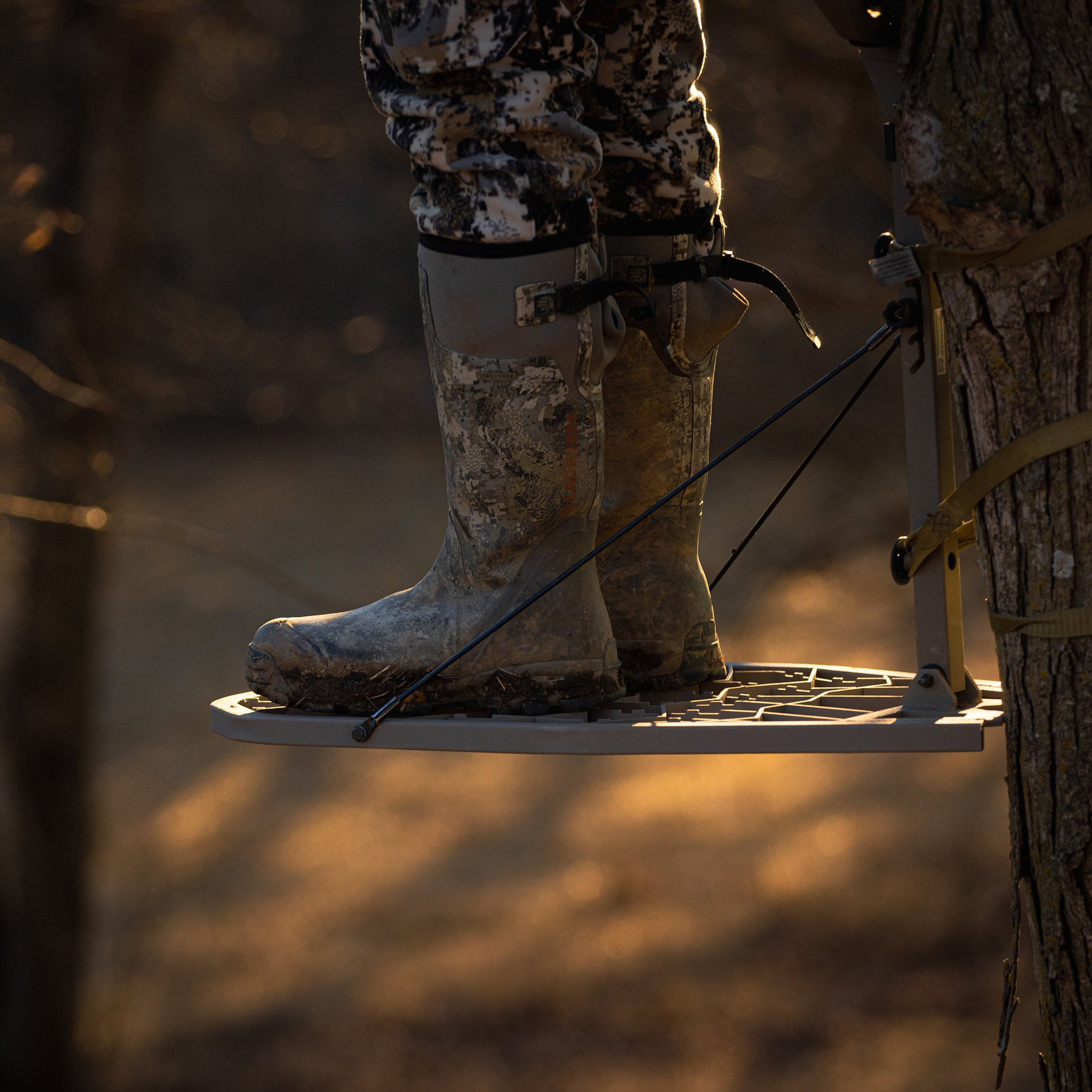
Prep trees for next fall
Cold weather, snow, and reduced hunting pressure make disturbance far less impactful than mid-season adjustments.
Now is the time to experiment.
-
Refine access routes
You’re building confidence for next year without burning future opportunities.
5. Food Sources Are Obvious
Late season revolves around groceries.
With ag fields cut and natural browse limited, deer concentrate on:
-
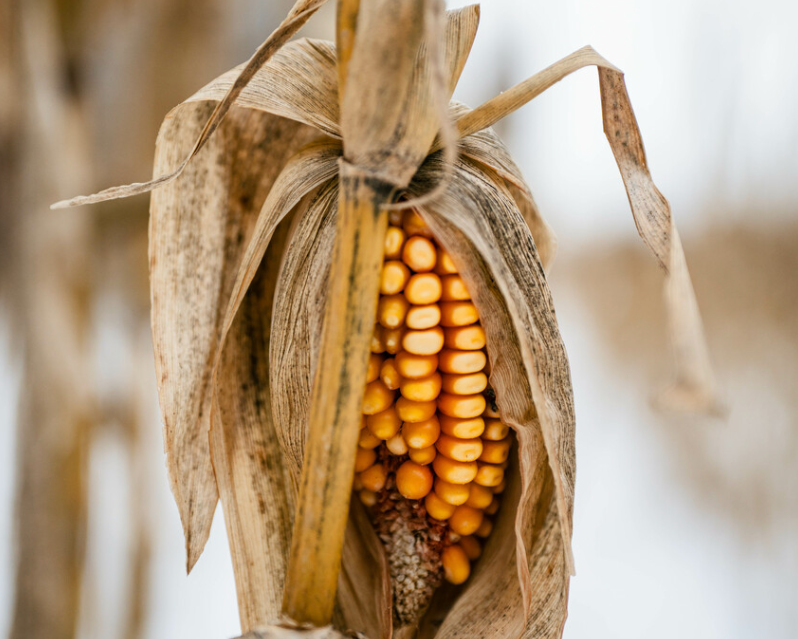
Standing beans or corn
-
Late-dropping mast
-
Food plots
-
Thermal cover near food
When you find consistent late-season food movement, you’ve likely found a pattern that will repeat next year under similar conditions.
Deer are creatures of habit. The same ridge, the same field edge, the same transition line often produces year after year.
6. Shed Hunting Doubles as Scouting
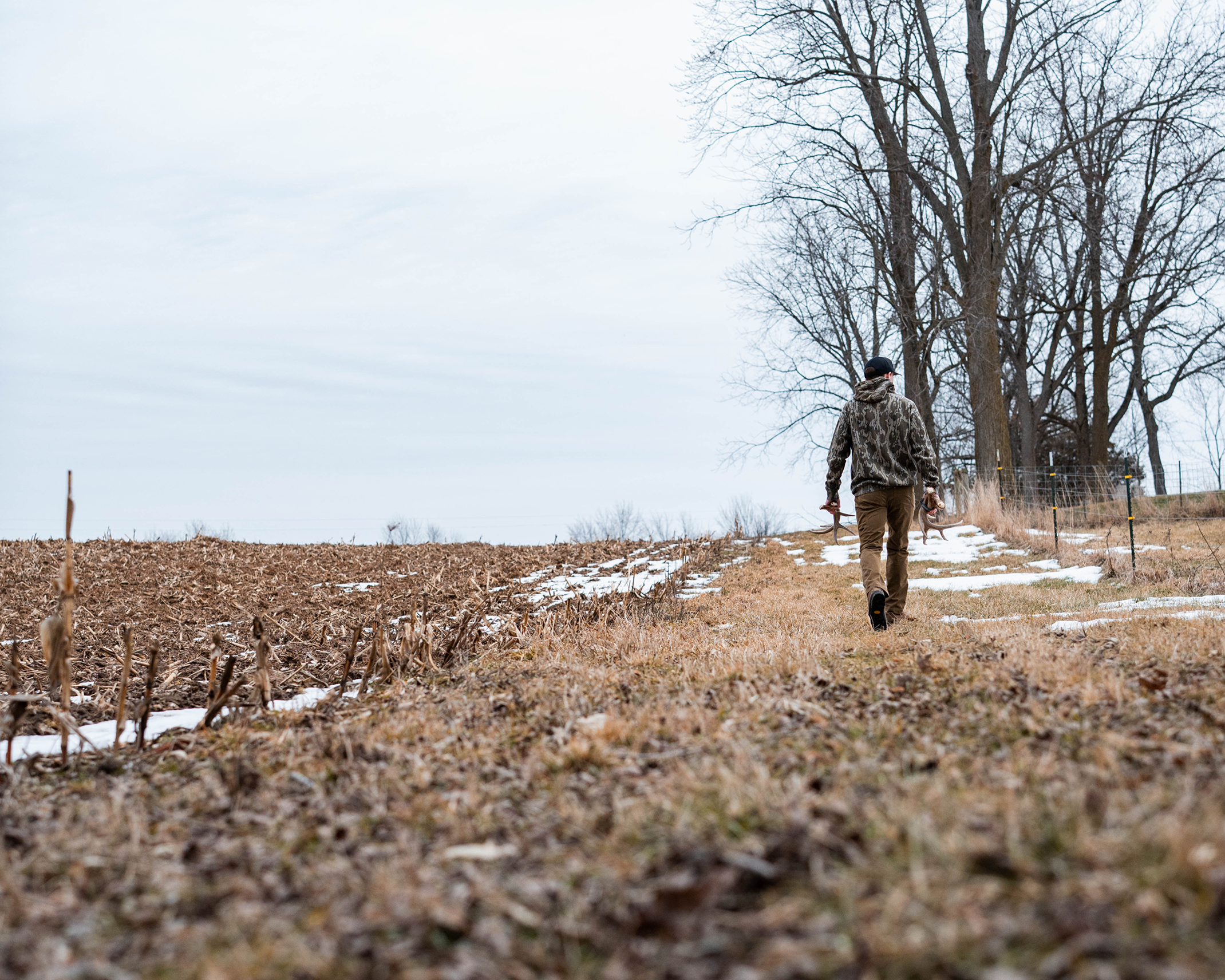
Post-season scouting naturally transitions into shed hunting.
When you find a shed, you’re confirming:
-
A buck survived
-
His late-season core area
-
Where he feels safe after pressure
That’s invaluable data heading into the next fall.
Mark it. Study it. Build around it.
7. The Mental Edge
Most hunters are done right now.
If you’re out there studying terrain, learning wind patterns, and refining setups, you’re separating yourself from the crowd.
Come fall, you won’t be guessing where to hang a stand.
You’ll already know.
You won’t be reacting.
You’ll be executing.
Turn The Post-Season Into Next Season’s Advantage
The hunters who consistently find mature deer aren’t just lucky. They’re intentional. They treat late season like the scouting season it truly is.
Use this time to:
-
Study bedding
-
Map travel corridors
-
Adjust stand locations
-
Improve access
-
Build a plan
When opening day rolls around next fall, you won’t be hoping for a good sit.
You’ll be sitting exactly where you need to be — because you put in the work when no one else did.
This isn’t the end.
It’s the beginning.

Written by Novix Outdoors