

Spring Habitat Management Tactics
Spring is when your property starts working for you. After a long winter, the landscape begins to wake up—and with it comes one of the best windows of the year to make meaningful improvements. The work you put in now doesn’t just pay off in the short term—it sets the stage for better deer movement this fall and stronger turkey populations all season long.
The good news? It doesn’t take massive overhauls to see results. A handful of targeted, intentional improvements can completely change how wildlife uses your ground.
Refresh Your Food Plots
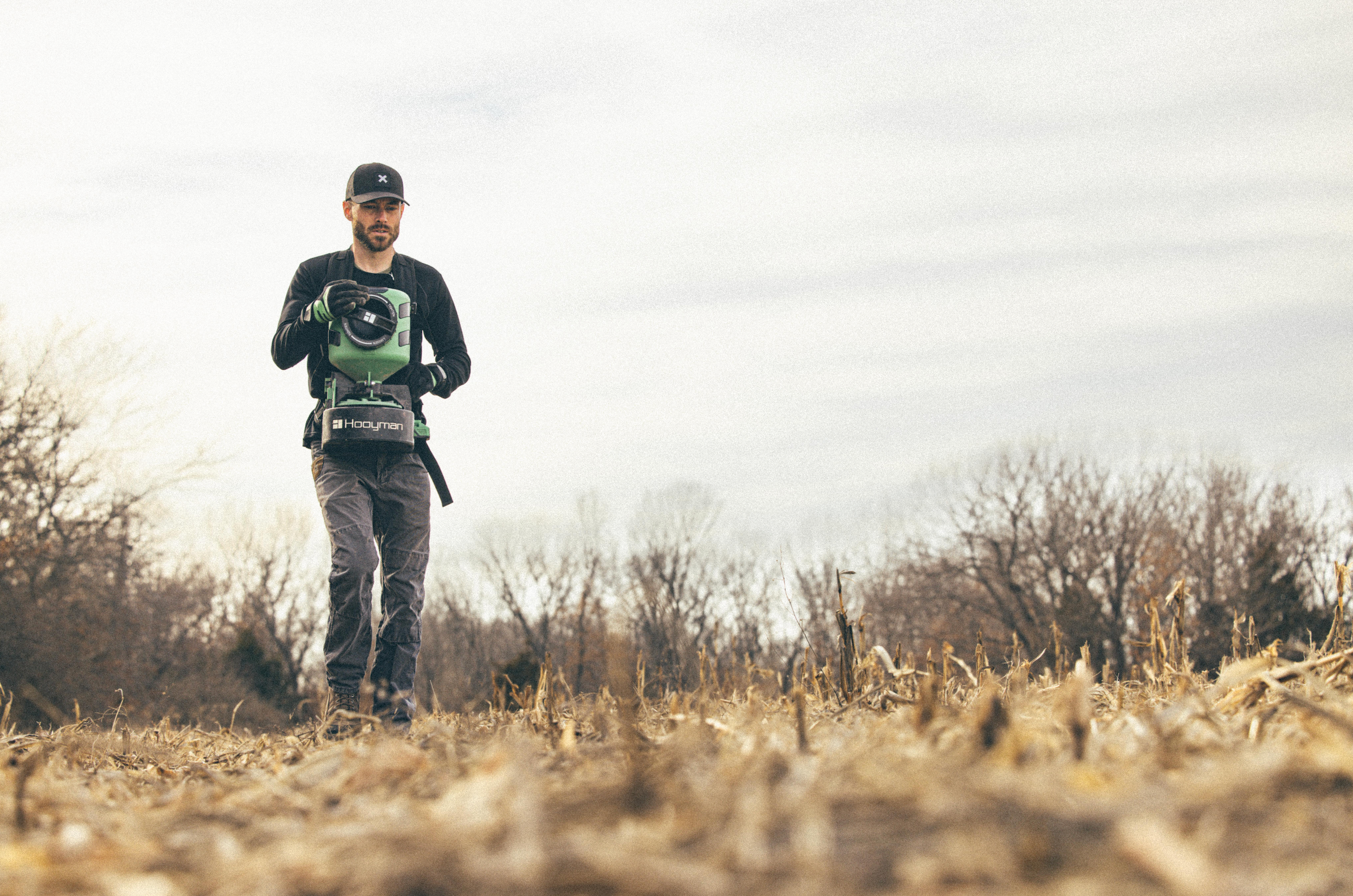
Early-season nutrition is critical. Frost seeding clover or planting spring blends gives deer a much-needed protein source as they recover from winter and shift into antler growth. At the same time, these plots create ideal bugging areas for turkey poults, offering both food and soft cover in one place.
Create Edge Habitat
Some of the most productive areas on any property are transitions—where timber meets field, or thick cover meets open ground. By hinge cutting or lightly disturbing these edges, you stimulate new growth that provides both food and security. The result is more defined travel routes and more consistent wildlife movement.
Improve Nesting Cover
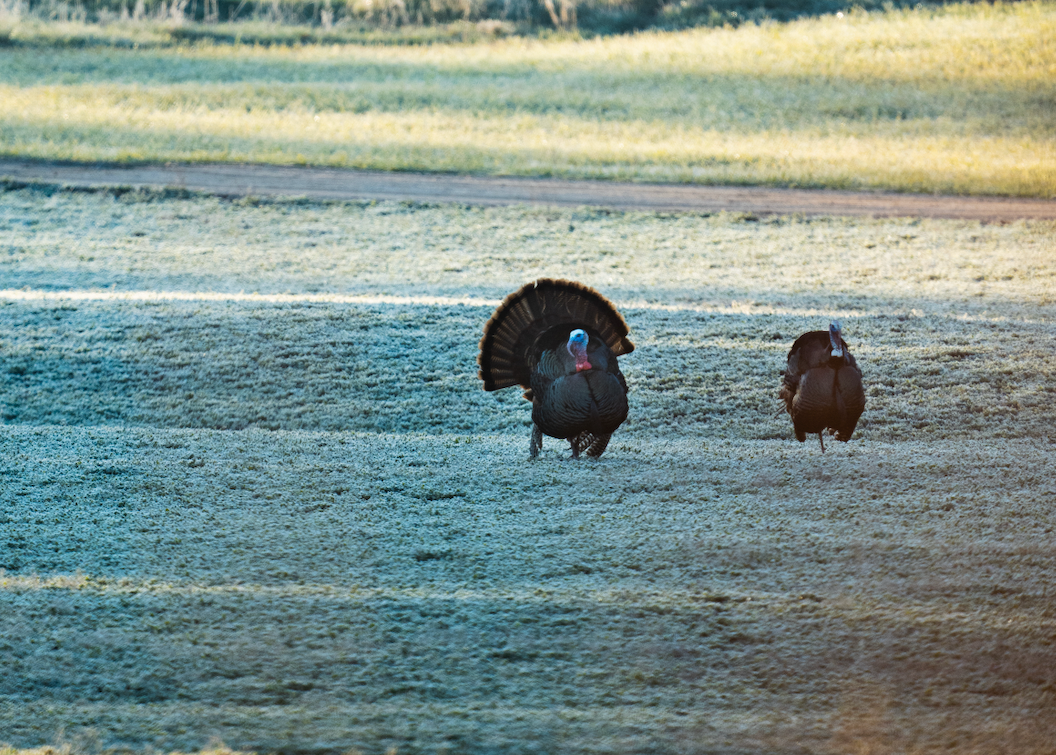
Turkeys need undisturbed, low-lying cover to successfully nest. Native grasses, weedy pockets, and overlooked corners of your property can become prime nesting habitat if left alone. Sometimes, the best thing you can do is simply resist the urge to “clean things up.”
Open the Understory
A thick, shaded timber floor does little for wildlife. By selectively thinning trees or introducing a light prescribed burn, you allow sunlight to reach the ground. This sparks new growth, improving forage, increasing visibility, and making timber stands far more attractive for both deer and turkeys.
Add Water Sources
Water is often an overlooked limiting factor—especially during dry stretches. Small ponds, tanks, or even strategically placed water holes can become daily destination points. When water is limited, these features can dramatically increase the time wildlife spends on your property.
Control Invasive Species
Invasives like fescue, aggressive brush, and other non-native plants choke out the diversity that wildlife depends on. By knocking these back, you allow native species to thrive—creating a more balanced, usable habitat that supports everything from insects to mature bucks.
Minimize Pressure
Spring improvement work is important—but so is knowing when to back out. Nesting season is a sensitive time, especially for turkeys. Avoid over-pressuring key areas, and be strategic about when and where you work to prevent unnecessary disturbance.
Spring habitat work isn’t about doing everything—it’s about doing the right things. Focus on improvements that increase diversity, encourage movement, and provide both food and cover. Do that consistently, and your property won’t just look better—it’ll hunt better.

Written by Novix Outdoors